

57% of Americans say they’re living paycheck to paycheck, and 40% don’t have $1,000 to spare for an unexpected emergency. Having just a little extra money can make all the difference.
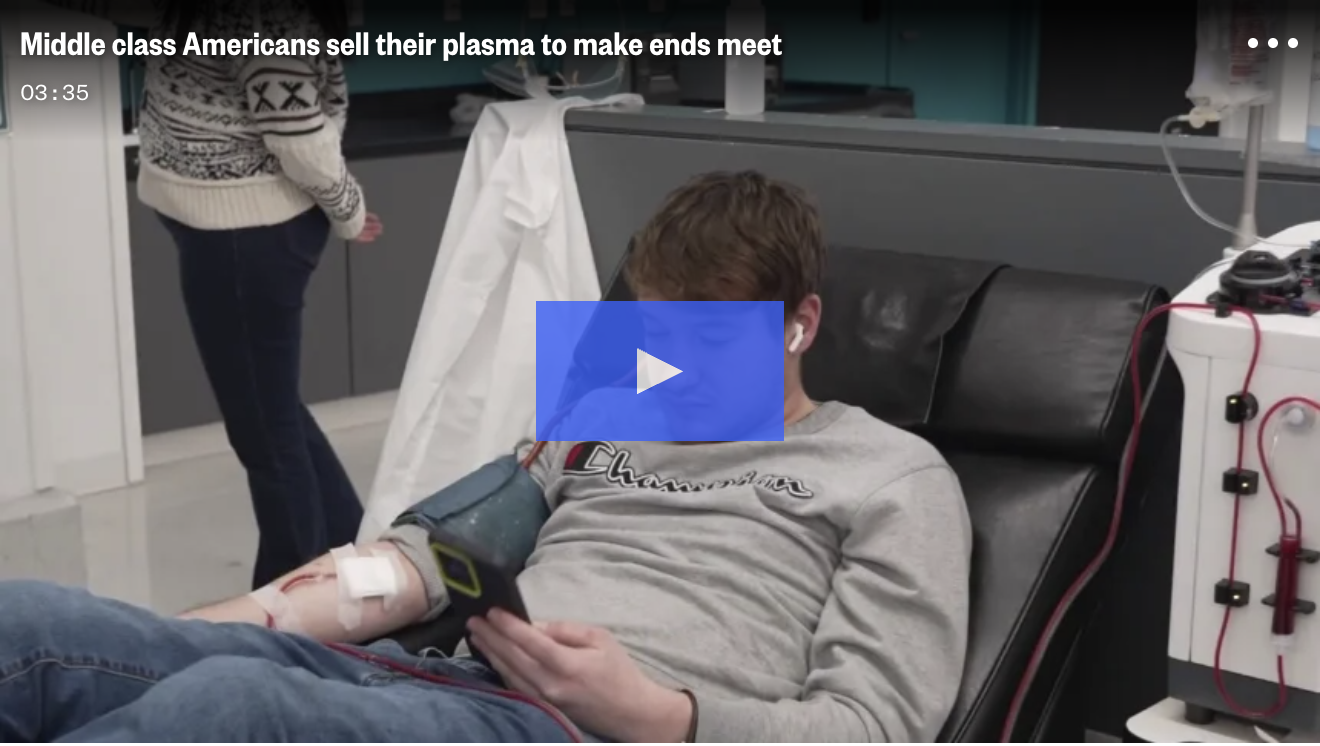
For example, blood plasma donation is a $4.7 billion dollar industry in the United States. There are now more than 1,200 plasma donation centers across the country — more locations than Costco — and over 200,000 people sell their plasma every day. Some even donate twice a week to have enough to get by; the US is one of only a few countries that allows the practice that often. This money can be the difference between sleeping in a bed and sleeping on the street.
It doesn’t need to be this way. People shouldn’t have to literally sell their blood to make ends meet. That’s the idea behind Guaranteed Minimum Income (GMI) — ensuring we all have that little bit of extra cash to tide us over in times of need.
Between February 2023 and January 2025, a study of homeless youth in Oregon found that 94% of the young people, ages 18 to 24, found a place to live when given consistent, reliable income. This foundation of basic financial security even allowed many of them to start building credit.
This is not a unique result. Studies consistently show that direct cash transfers to people in need can be transformative, even miraculous.

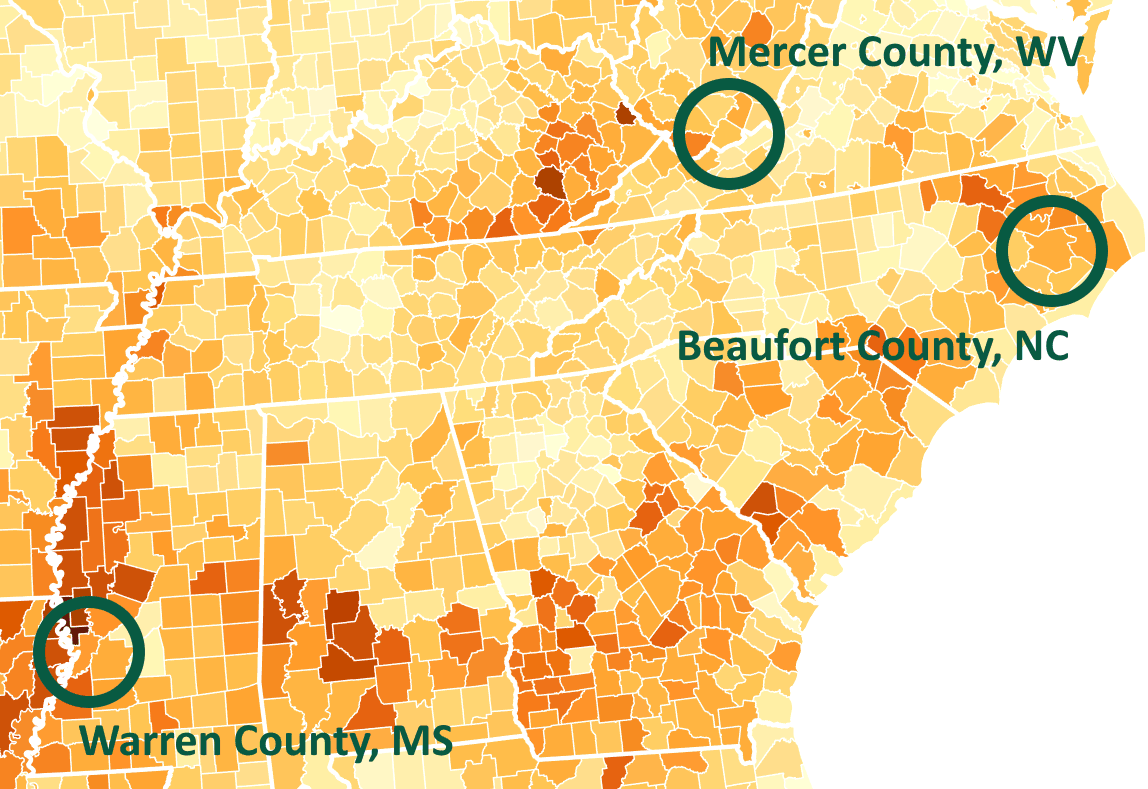
Plenty of Americans could use a little extra cash at one time or another — so a sick child, or a broken-down car, or an overdue bill doesn’t become the loss of a home, the loss of a job, or the loss of an education. People often don’t need much, or for very long — that’s exactly what Guaranteed Minimum Income does, and what we hope to show through GMI studies in rural counties across all 50 states.
Let’s help our fellow Americans who need it most, right here, right now, with the extra monthly cash they need to get by.